.gif)

Download Mobile App 






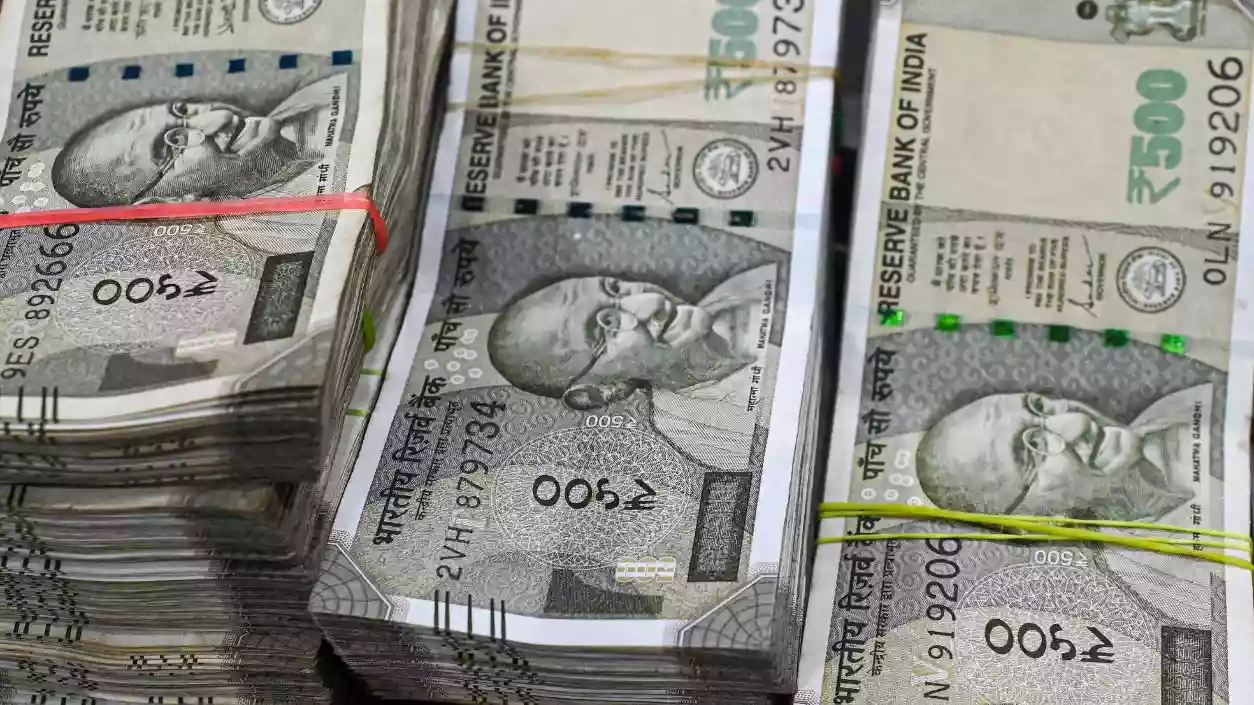
The Indian rupee plunged to a record low of 94.56 against the US dollar during intra-day trade on Friday, breaching the 94.50 mark for the first time as global and domestic pressures intensified. The sharp fall comes amid rising crude oil prices, a strengthening US dollar, and continued outflows of foreign institutional investments, which have collectively weakened the local currency.
The rupee opened weaker at 94.18 in the interbank foreign exchange market and continued its downward slide through the session, falling nearly 60 paise from its previous close. The decline follows a recent closing low of 93.96, reflecting sustained pressure on the currency in recent trading sessions.
Forex traders attributed the fall to elevated global oil prices, with Brent crude hovering above $107 per barrel, increasing India’s import bill and demand for dollars. At the same time, global investors have been moving towards the US dollar as a safe-haven asset amid geopolitical uncertainty, further strengthening the greenback and putting additional strain on emerging market currencies like the rupee.
Domestic factors have also contributed to the decline, with equity markets witnessing a sharp sell-off. Benchmark indices dropped significantly during the session, while foreign institutional investors continued to pull out funds, adding to the pressure on the currency. Market participants noted that consistent dollar demand from oil importers and delayed inflows from exporters further accelerated the rupee’s fall.
The combined impact of global uncertainty, rising energy costs, and capital outflows has created a feedback loop affecting both currency and equity markets. As the situation evolves, the rupee’s movement is expected to remain closely tied to developments in global oil prices, capital flows, and broader geopolitical conditions.











 West Bengal
 Bihar
Bihar Uttar Pradesh
 Jharkhand